
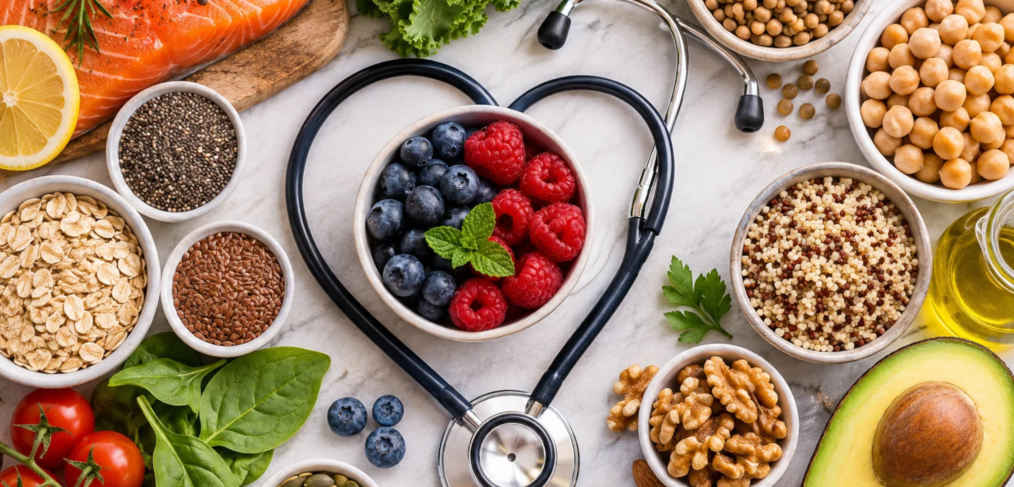
The Future Of Food Is Through Health


Oh, how our views towards food have changed. Growing up, we enjoyed delicious meals without worrying about ingredients, sugar or sodium levels, or the nutritional needs they met. We relied on our healthcare system and a wide range of prescription and over-the-counter medications to manage our health. Unlike today, we hardly imagined using an injection to curb our appetite, or thinking of food as medicine.
Today’s increasingly health-conscious consumers are seeking “Food as Medicine” as an alternative to drugs. The concept that gained traction in the early 2000s has since evolved from a personal wellness trend into a recognized healthcare initiative. Just four years ago, consumers expressed these views on their food choices.[1]
- 78%: The right food can keep me healthy and prevent certain health problems.
- 75%: Eating the right food can be the best medicine.
The global food industry is experiencing a dynamic shift towards health-conscious and sustainable options as consumers seek products that align with their values and support their well-being, health, and the environment.
Foods Central Role in Our Well-Being
Our daily food choices affect us far more than our weight. The nutrients we consume, or lack of, can impact our energy, and mental clarity. Eating well does not have to mean extreme dieting or cutting out our favourite treats. It is about finding a balance that serves our body and supports our overall health goals. Here are 3 additional benefits on how food plays a role in our well-being:
- Boost Immune System: Vitamins like C and E act as antioxidants, fighting off free radicals.
- Mental Health: Omega-3 fatty acids can improve consumer moods and even alleviate symptoms of depression.
- Digestive Health: A fibre rich diet contributes to our digestive health. Fruits, vegetables, legumes, and whole grains keep your digestive tract functioning smoothly.
The US Well-Being Market:
The U.S. well-being market for the 12-month period ending July 2026 was valued at $1.2T. This represented a 5.2% increase versus the prior year, with food and beverages sales topping $654B. This represented a +6% increase in dollar sales. Beauty and health products round out the top 3 with sales topping $274B.[2]
The Well-Being Consumer Segment
McKinsey and Company as part of their study into the global wellness sector identified 4 distinct consumer segments:[3]
- Gen Z and Millennials: Represent 25% of the wellness consumer but drive more than 40% of market spending.
- Health Traditionalists: Gen X and Boomers- account for 13% of the wellness consumer, and 13% of market spend.
- Confident Enthusiasts: Fitness obsessed through sports nutrition products. Represent the smallest share of the wellness consumer (11%) and (15 %) of market spend.
- Health Strugglers and Wellness Shirkers: Place a lower priority on health and wellness solutions. They account for 24% and 20% of consumers, respectively, and 22% and 10 % of market spend.
Consumer Wellness Themes
Circana, as part of their study titled “The Global Health and Wellness Market – The New Wave of Growth”, identified two distinct themes in the consumer wellness through food sector:
1.Physical Wellness: Metabolic health and functional nutrition.
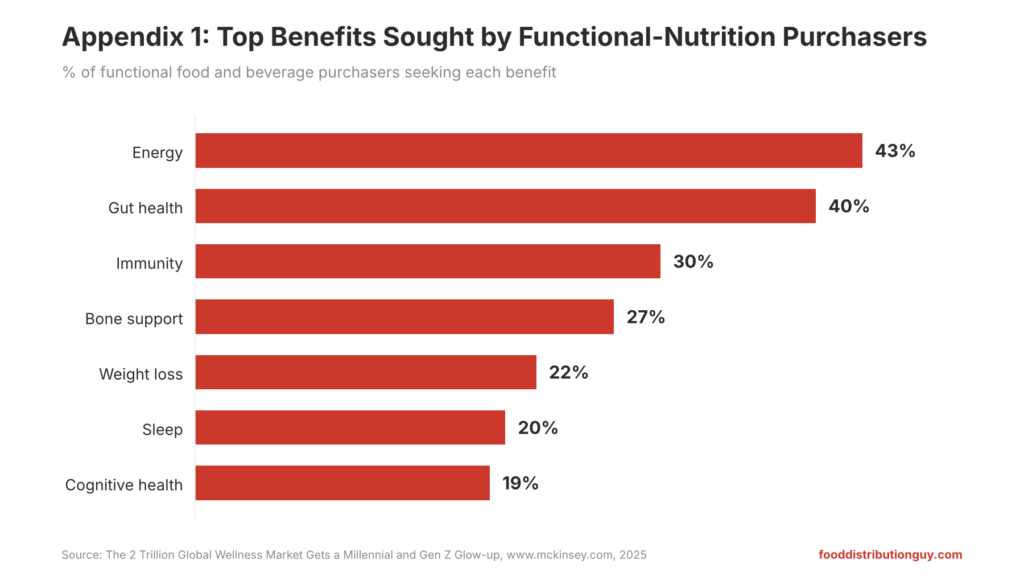
Ninety-three percent (93%) of consumers prioritize health & wellness: 95% (Women) and 92% (Males). Yet only 38% of consumers are satisfied with their overall health and wellness. AI has already moved into the wellness routine, with 33% of consumers utilizing it to find recipes, and 25% for nutrition and meal planning.[4] Functional foods and beverages that claim to deliver health benefits have become the hot ticket item, with energy representing the most sought-out benefit. Please refer to Appendix 1.[5]
2.Mental Health: Mood, Mind & Mental Restoration
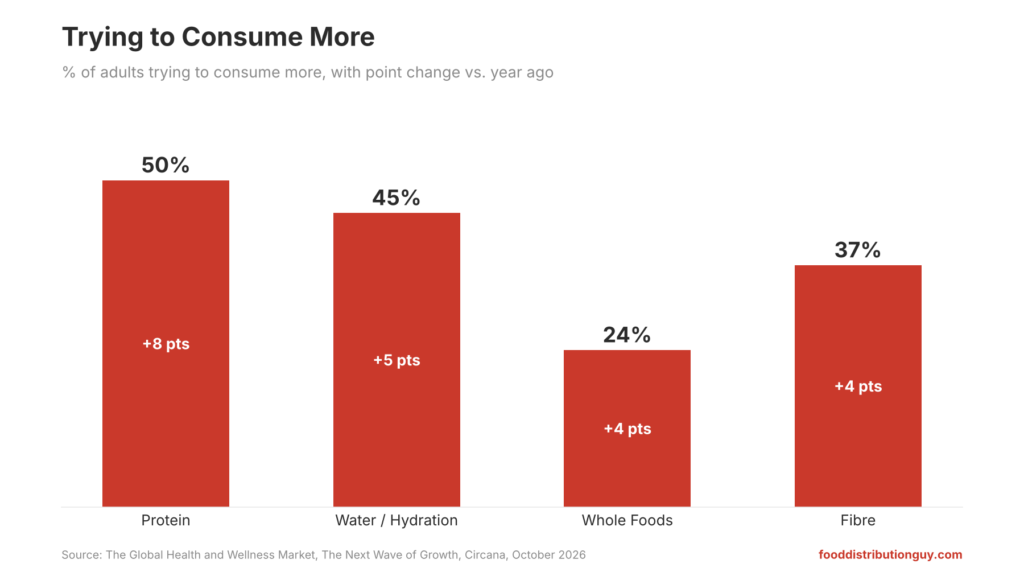
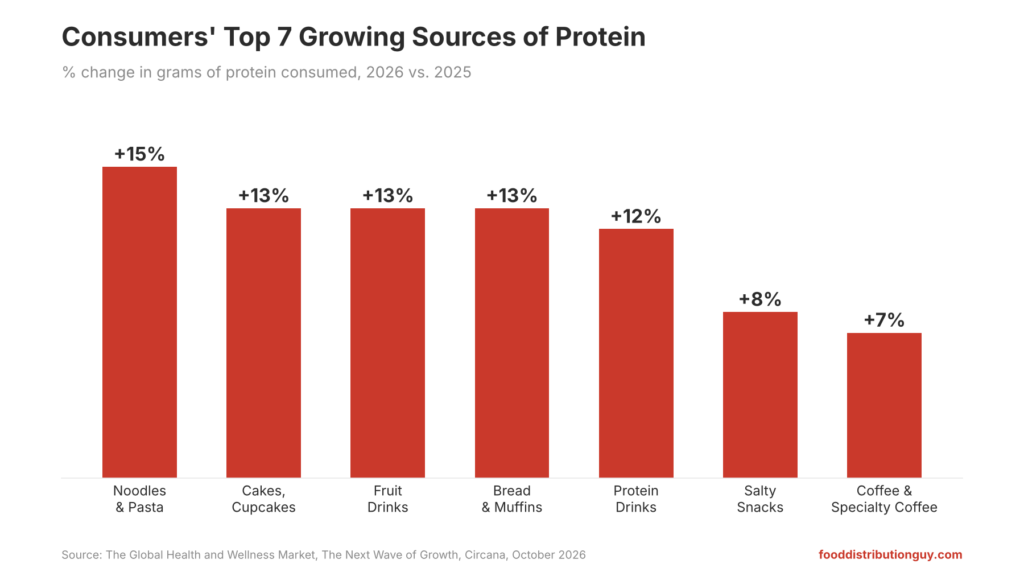
Today’s nutrition conversation is not really about eating less; it is about making the body work better. Keeping blood sugar, blood pressure, blood fats, waist circumference and energy regulation in healthier territory. This has led consumers to prioritize protein and fibre in their daily diets.
Food Distribution Guy’s Final Thoughts
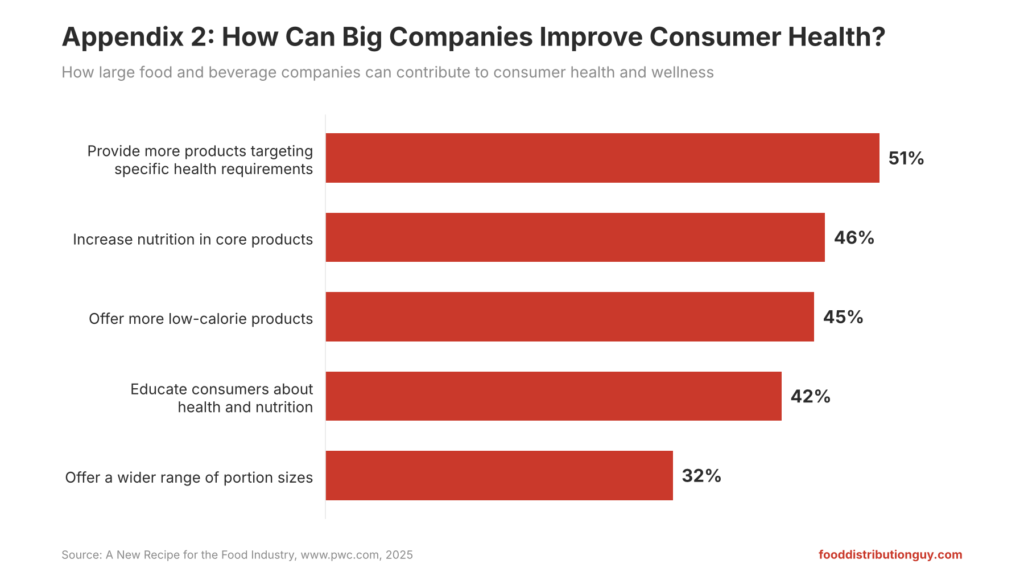
Health is the future of food: 80% of consumers have adopted a general food-as-medicine approach to eating.[7] When asked who is primarily responsible for encouraging healthy, nutritious eating, 51% named food processors and manufacturers. Asked how large food and beverage companies could improve consumer health and wellness, 51% called for more products addressing specific health needs. Please refer to Appendix 2.[8] There lies the challenge for corporate brands – shoppers frequently view smaller companies as more honest, transparent, and aligned with clean-label or wholesome ingredients. Today, consumers are increasingly seeking solutions over just the actual food, with health benefits and sustainability driving their purchase decisions. Brands that embrace this approach will earn consumers’ support.
Ready to position your brand for the health-conscious shopper? Whether you’re developing functional products, refining your clean-label story, or looking to get listed with Canada’s major grocers, Food Distribution Guy can help you turn wellness trends into shelf space. Contact us today to start the conversation.
References:
- Food as Medicine Concept Embraced by Consumers, www.supermarketnews.com, September 2022
- The Global Health and Wellness Market, The Next Wave of Growth, Circana, October 2026
- The 2 Trillion Global Wellness Market Gets a Millennial and Gen Z Glow-up, www.mckinsey.com, 2025
- The Global Health and Wellness Market, The Next Wave of Growth, Circana, October 2026
- The 2 Trillion Global Wellness Market Gets a Millennial and Gen Z Glow-up, www.mckinsey.com, 2025
- The Global Health and Wellness Market, The Next Wave of Growth, Circana, October 2026
- More People Than Ever Using Food as Medicine, www.foodbusinessnews.net, 2019
- A New Recipe for the Food Industry, www.pwc.com, 2025