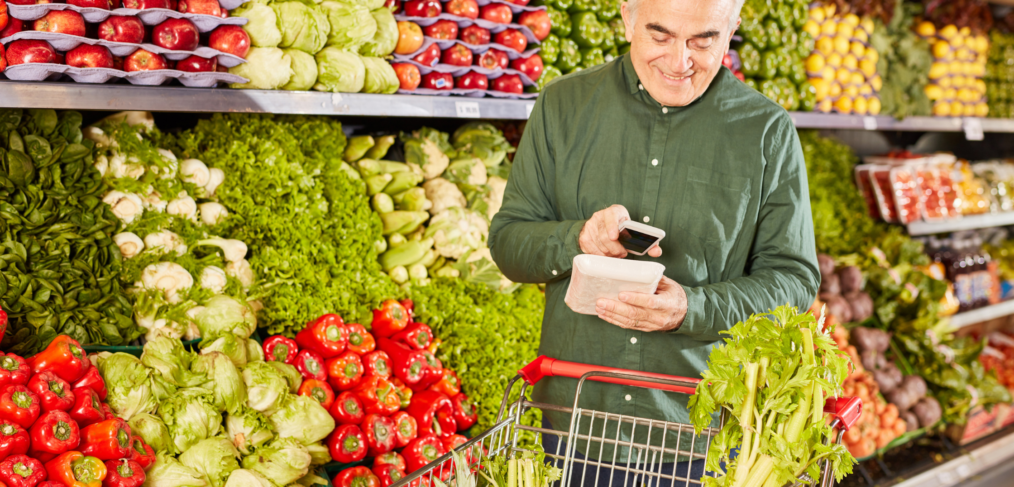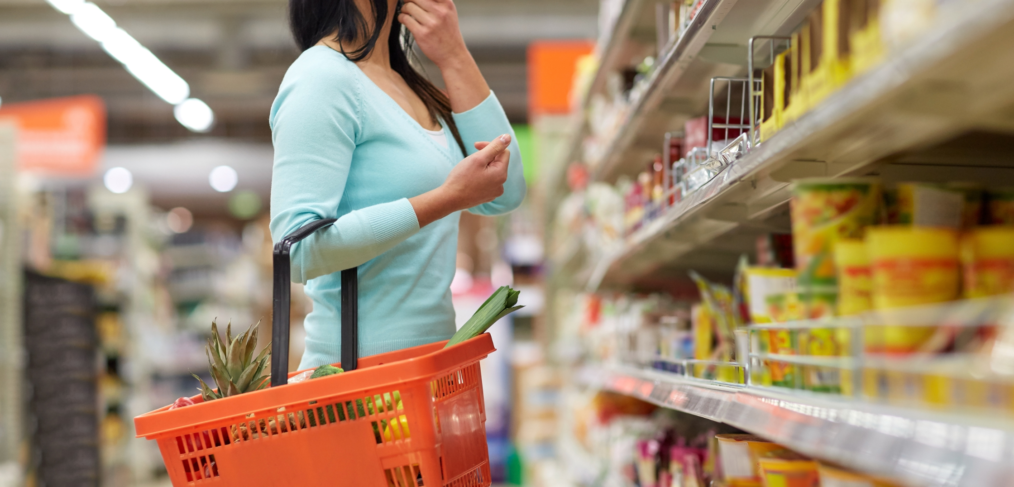

From the 1970s to the late 1990’s, people embraced a wide range of foods with little concern for chemical additives or hidden sugars, while official nutrition labelling was still evolving. By the turn of the century, consumers demanded simple, recognizable, and wholesome ingredients, fueling the rise of the “Clean Label” movement. Today, food ingredient scanning […]
Read More ›Sustainability has become such a constant buzzword in the grocery sector that it is hard to know where to begin. It’s said that the concept of sustainability began during the Industrial Revolution. The modern evolution of sustainability began in the 1970s popularized alongside the first Earth Day. Though sustainability today is a key consumer priority; […]
Read More ›Brands have shaped consumer behaviour for centuries. Early forms of branding date back to around 2700 BCE in ancient Egypt and Mesopotamia, where cattle ranchers marked livestock to show ownership. Branding evolved significantly during the Industrial Revolution (1750–1870), when mass production made it essential for companies to distinguish their products from competitors. Today, brands compete […]
Read More ›Since the pandemic ended, consumers have been adjusting to a cost-of-living crisis. With food among the top three essentials, rising grocery prices have pushed shoppers to make more deliberate choices that balance hunger, health, and emotional needs. For instance, in the UK, food prices are on track to be 50% higher in November than at […]
Read More ›Transparency has significantly reshaped business accountability by increasing consumer influence, rendering openness an essential requirement, and facilitating swift public responses to business practices, production methods, and employee relations. A recent study undertaken by Sprout Social supports the powers of transparency: 86% of consumers believe transparency from businesses is more important than ever.[1] A business’s commitment […]
Read More ›